What do these images have in common ?
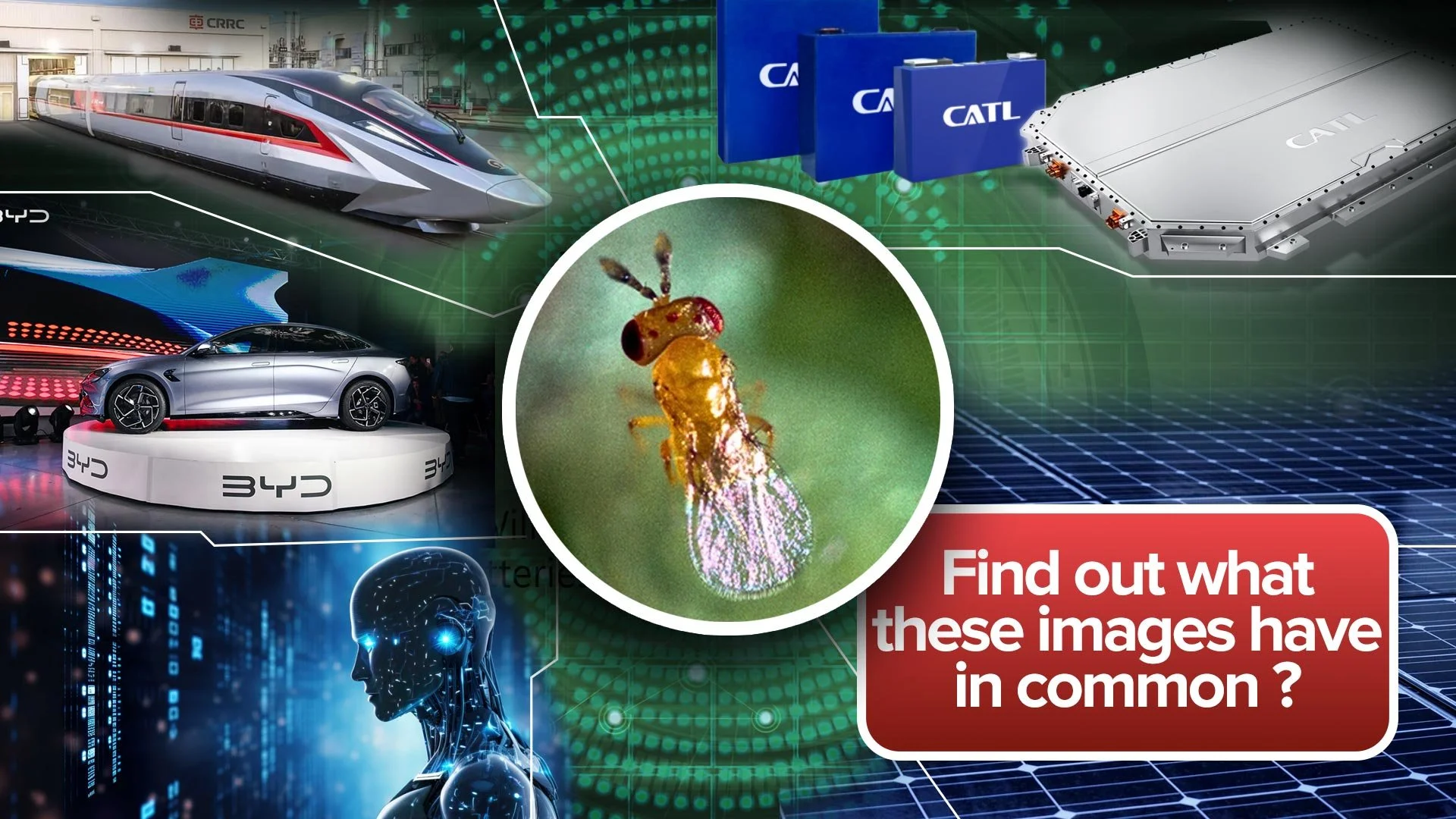
They are all technologies that China has researched, developed, applied, extended and exported to the world.
Biological Control
China has developed one of the world’s most sophisticated and successful Biological Control programs for agricultural crop protection. The mass rearing and release of beneficial insects has resulted in;
Reduced crop losses from pests
Reduced application of chemical insecticides
Improved yields
Improvements in National food security
Slowed the development of insecticide resistance in pest populations
BORER Control using Trichogramma species
More than 5.5 million Ha’s (35% of the cultivated area) of maize in China’s most important grain growing province, Jillang now relies on Trichogramma wasp releases for the control of damaging “stalk borers”.
Success in maize crops, has seen the technology transferred to protect rice, cotton and sugarcane.
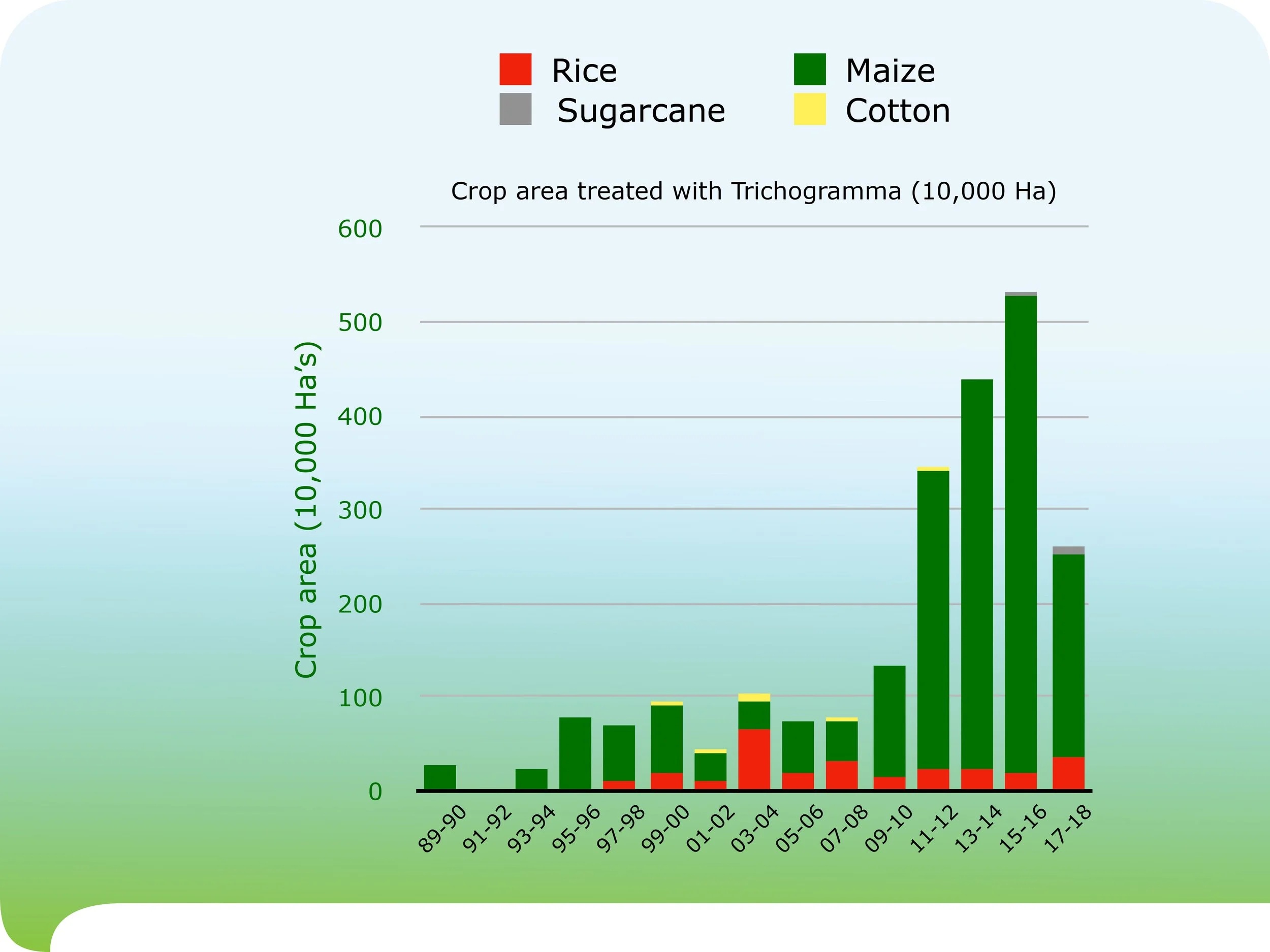
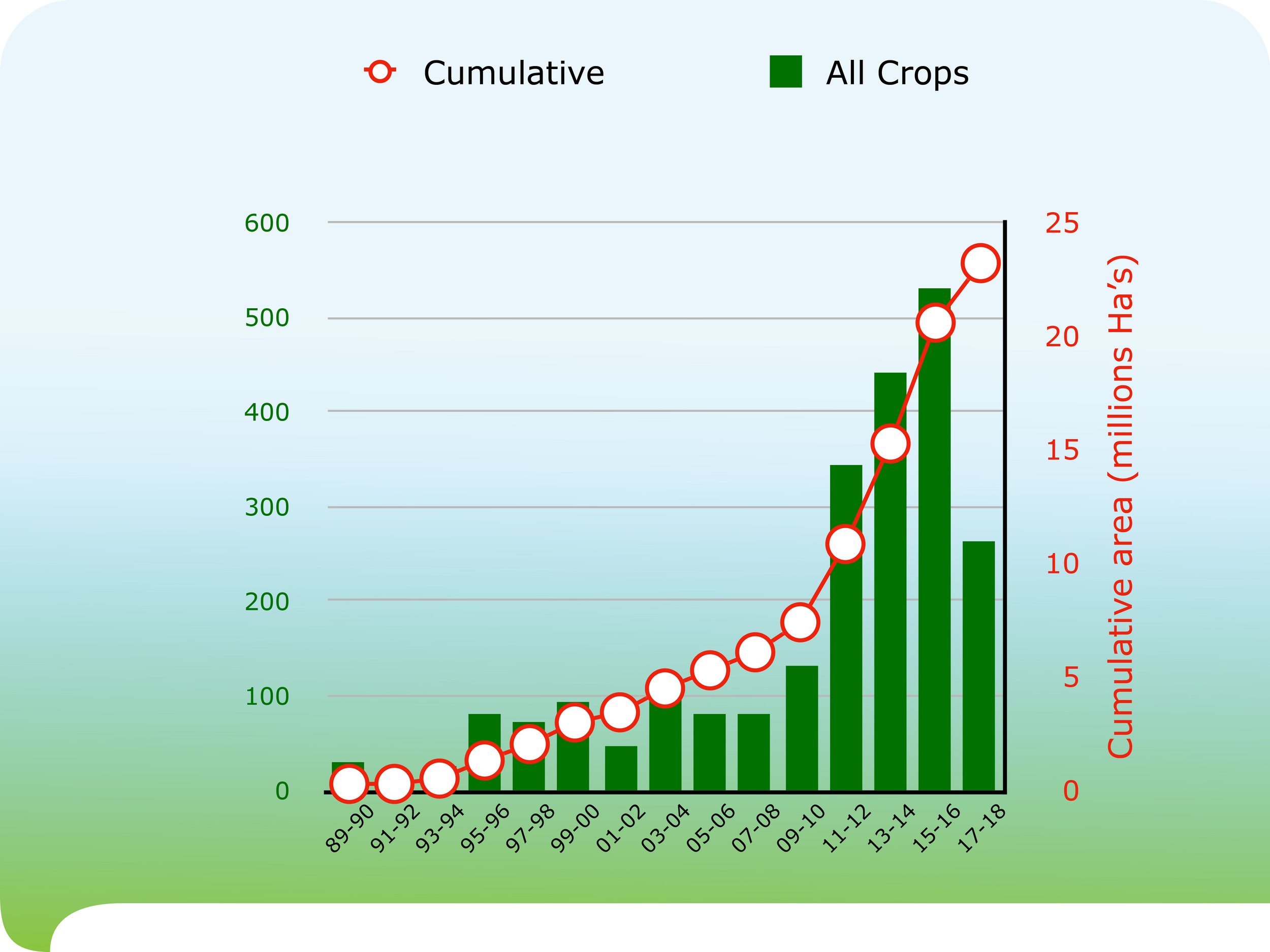
A nationwide network of Trichogramma mass rearing facilities now exists.
Two billion beneficial wasp specimens are reared annually from Jilin province insectaries.
APHID Control using parasitic wasps.
In China, aphids are major pests of fruit and vegetable crops, including nuts. Aphids feed on plant sap, stunting growth and development. Pest aphids often carry viruses, causing disease, and excrete honeydew, a sticky secretion that promotes mould growth on leaves, (restricting photosynthesis) and damaging produce.
The world’s largest rearing facility for aphid parasitoids is located in Yunnan province and can produce approximately 10 billion parasitic wasps per year, enough to cover almost 700,000 Ha’s of crops.
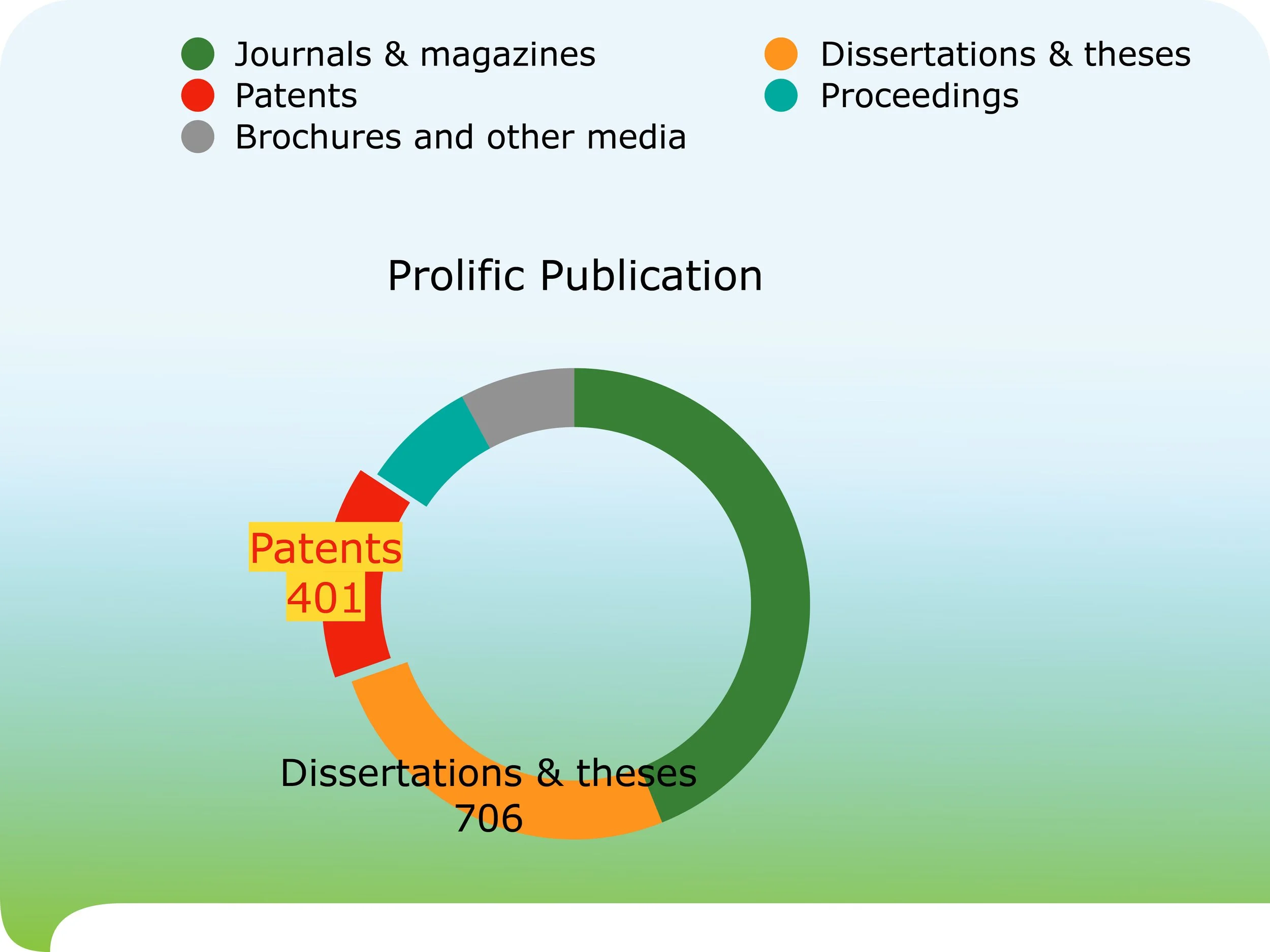
Chinese researchers have averaged almost 60 publications per year since the mid 1970’s on aphid Biological Control, including 400 plus patents and related intellectual property.
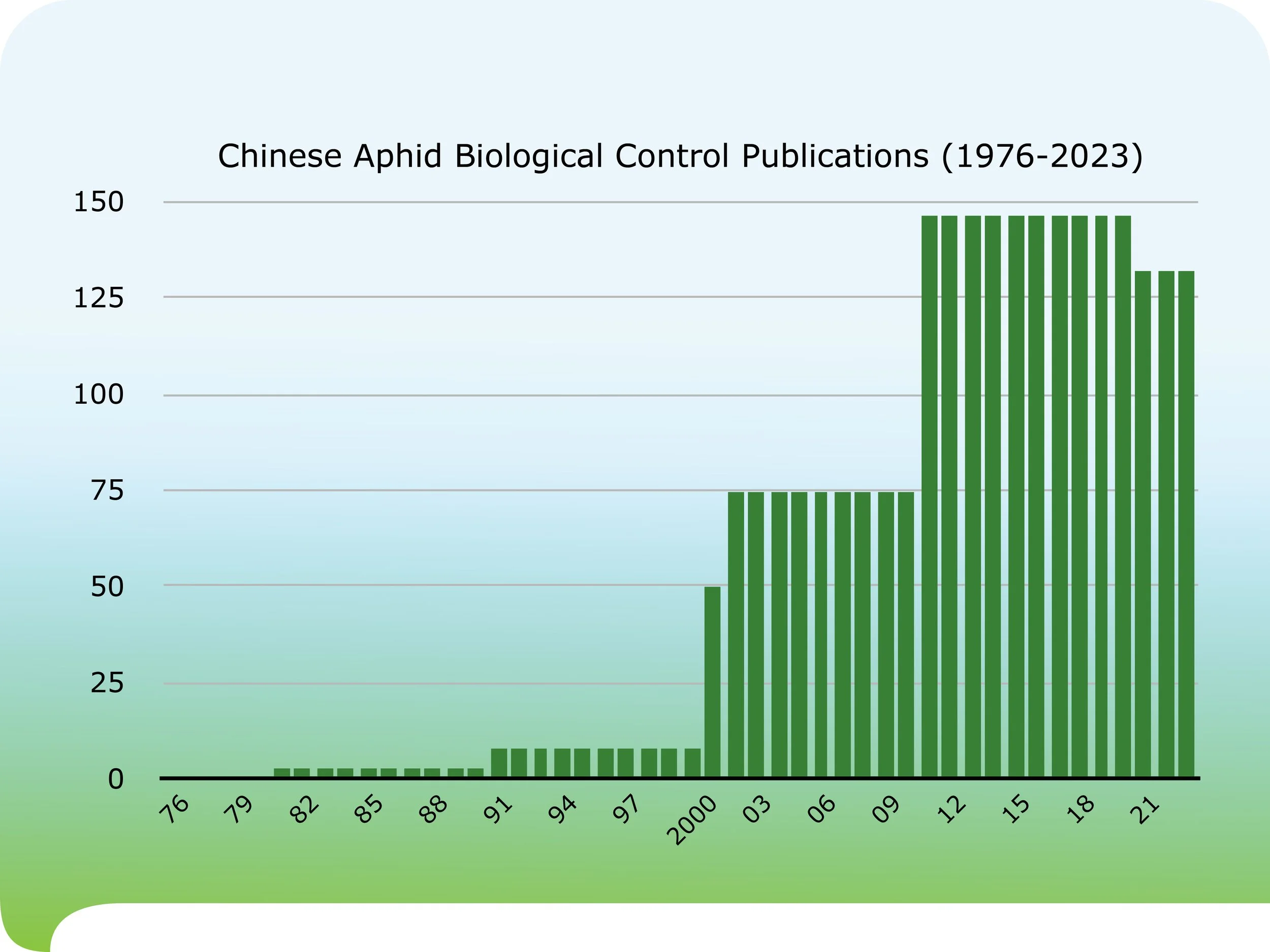
Since beginning operation, more than 20 million Ha’s of crops have been covered.
Between 2010 and 2022 the application of broad-spectrum neonicotinoids and other insecticides for aphid control were reduced by an average of 50% (13 million litres), saving growers $US1.85 billion dollars.
Aphid related crop losses avoided over the same period were close to $US3.0 billion dollars.
Total funding for aphid biological control nationwide has been estimated to exceed ¥2.3 billion or $US330 million from 2013 to 2023
All of China’s Biological Control initiatives have been driven by the increasing demand for high-quality and pesticide-residue-free agricultural goods.
Sources:
Long-term and large-scale releases of Trichogramma promote pesticide decrease in maize in northeastern China Ning-Xing Huang, Coline C. Jaworski, Nicolas Desneux, Fan Zhang, Pu-Yun Yang, and Su Wang. Entomologia Generalis, Vol. 40 (2020), Issue 4, 331–335. 13th November 2020
Biological Control with Trichogramma in China: History, Present Status and Perspectives. Lian-Sheng Zang, Su Wang, Fan Zhang and Nicholas Desneux. Annual Review of Entomology 2021. 66:463-84
Biological Control of Aphids in China: Successes and Prospects. Tong-Xian Liu and Xue-Xin Chen. Annual Review of Entomology 2025. 70:401-419
The Economist June 8th 2017 The most neglected threat to public health in China is toxic soil
Solar panels
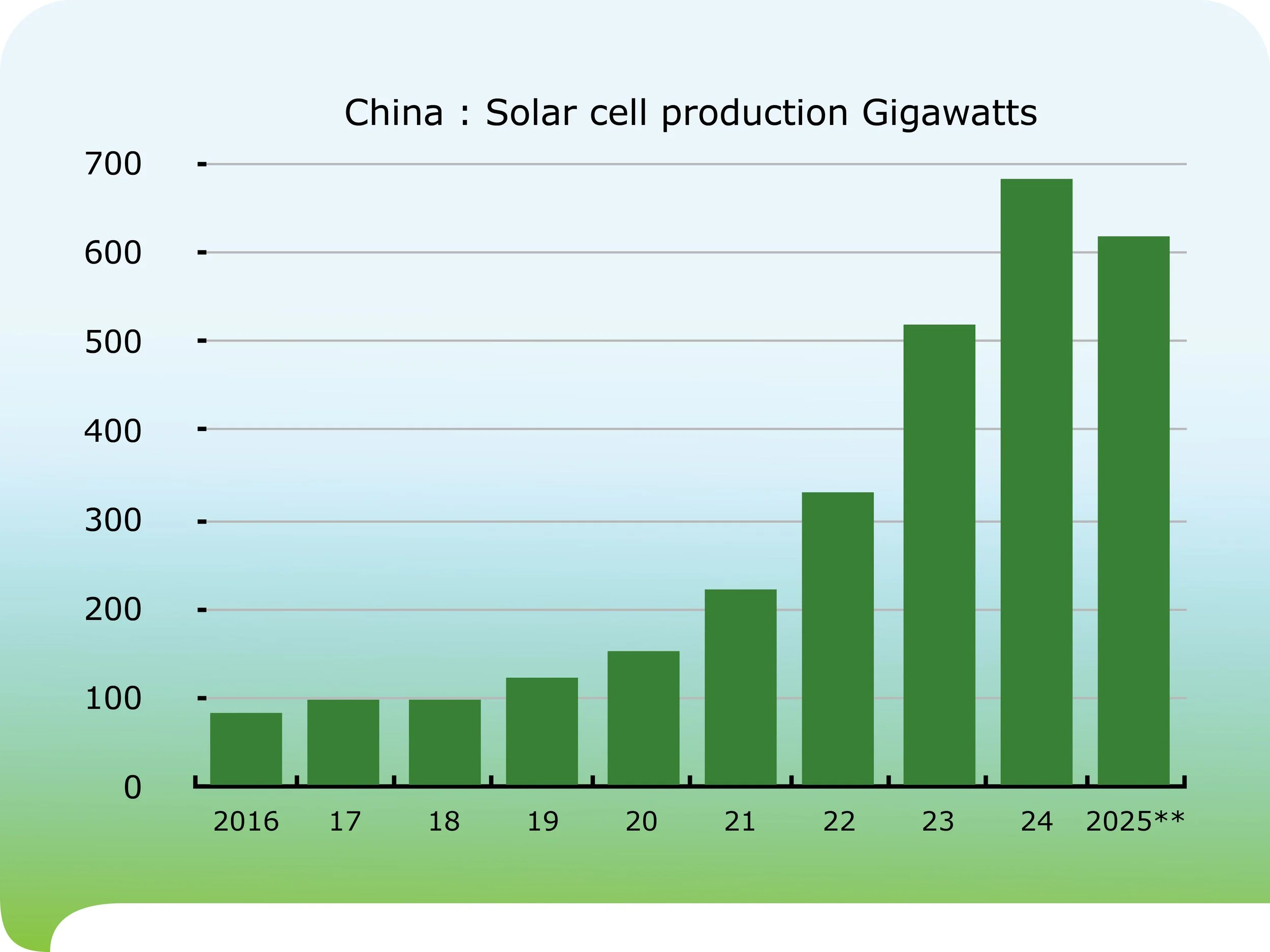
Chinese firm Tongwei’s factory in Chengdu made one in seven of all solar panels sold worldwide in 2024. Other Chinese firms made almost all the rest. The Chinese industry produced 680 gigawatts of capacity in 2024. For comparison, the total amount of generating capacity in Britain is about 100GW. The Chengdu factory can churn out enough photovoltaic cells in a week to build a power plant of more than 500 megawatts. Two months of work produces the capacity to generate more electricity than a large nuclear plant can in a year.
Source: The Economist November 3rd 2025 Solar in China has become too big to fail.
Battery development
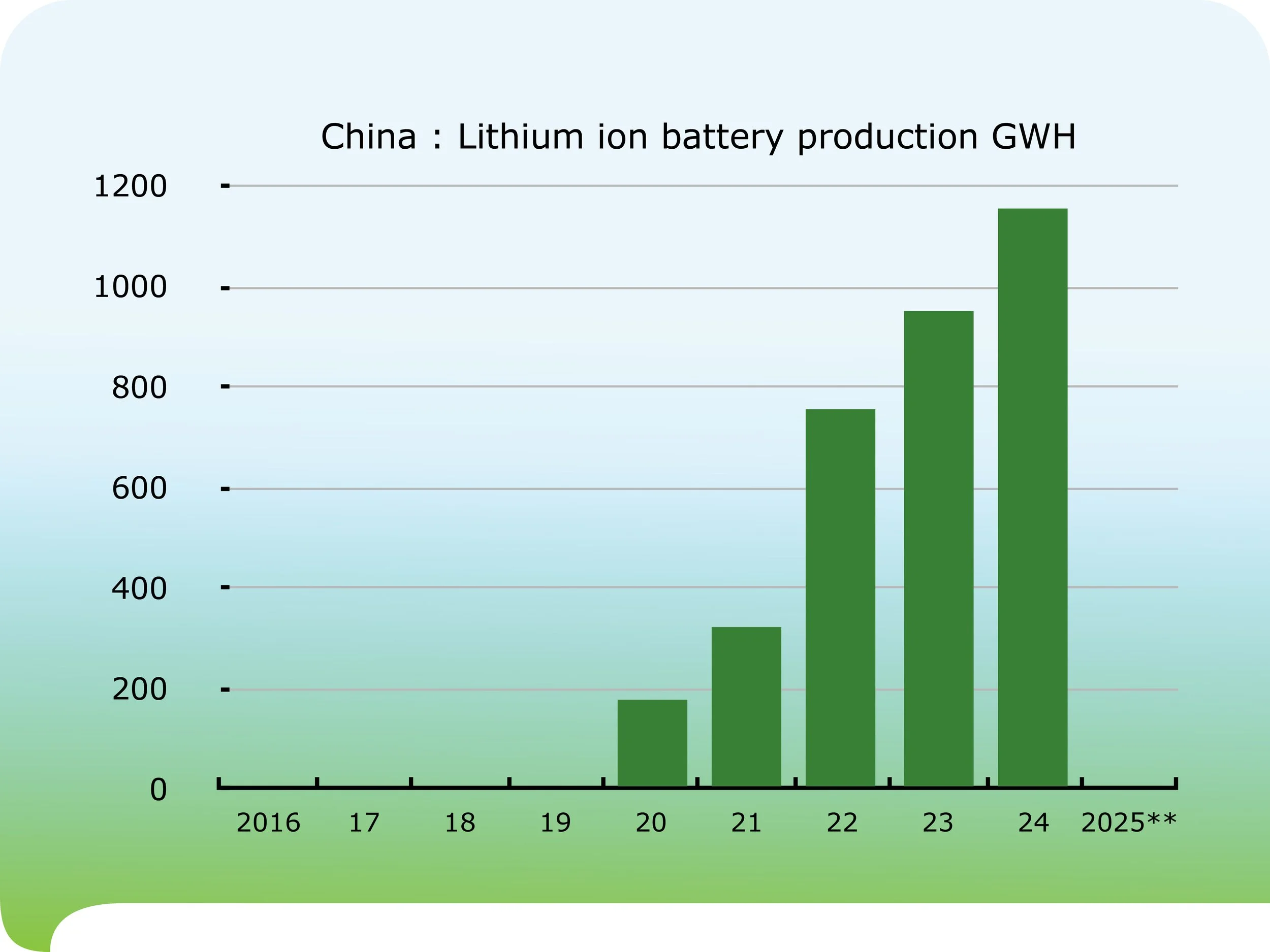
China’s CATL claims it has developed a battery capable of allowing an electric vehicle to drive 1,500 kms on a single charge as it challenges BYD for supremacy on range and charging speed. CATL & BYD account for more than half of the global EV battery market.
Car maker BYD’s newest model the Denza Z9GT features a 122 Kw “Blade Battery” that can be charged from 10% to 70% capacity in about five minutes. A full charge takes nine minutes.
Sources: The Australian Financial Review & The Financial Times. Thursday 23rd April 2026 “1,500km range claim hikes EV battery war”
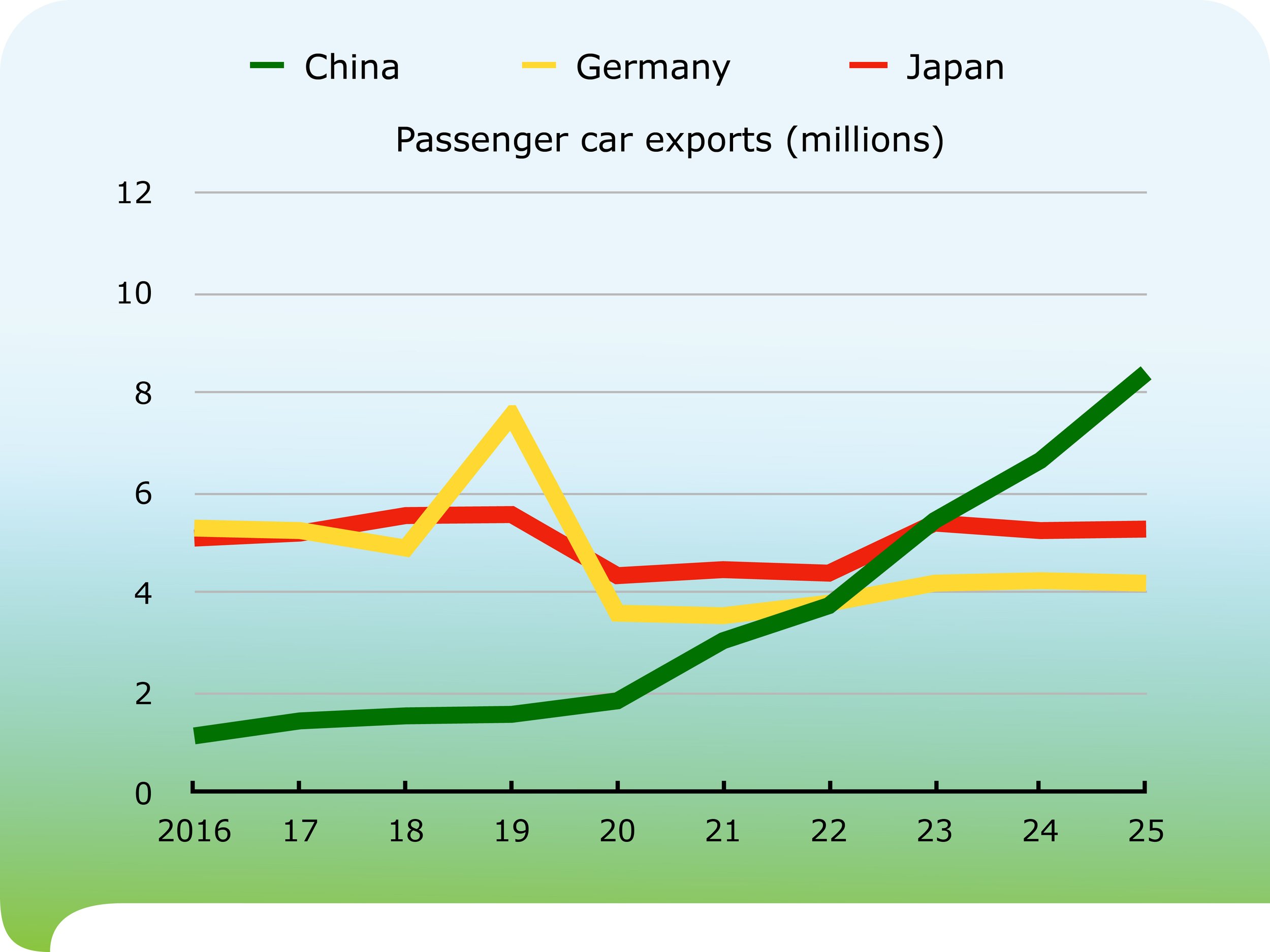
Passenger Vehicles (including EV’s & hybrids)
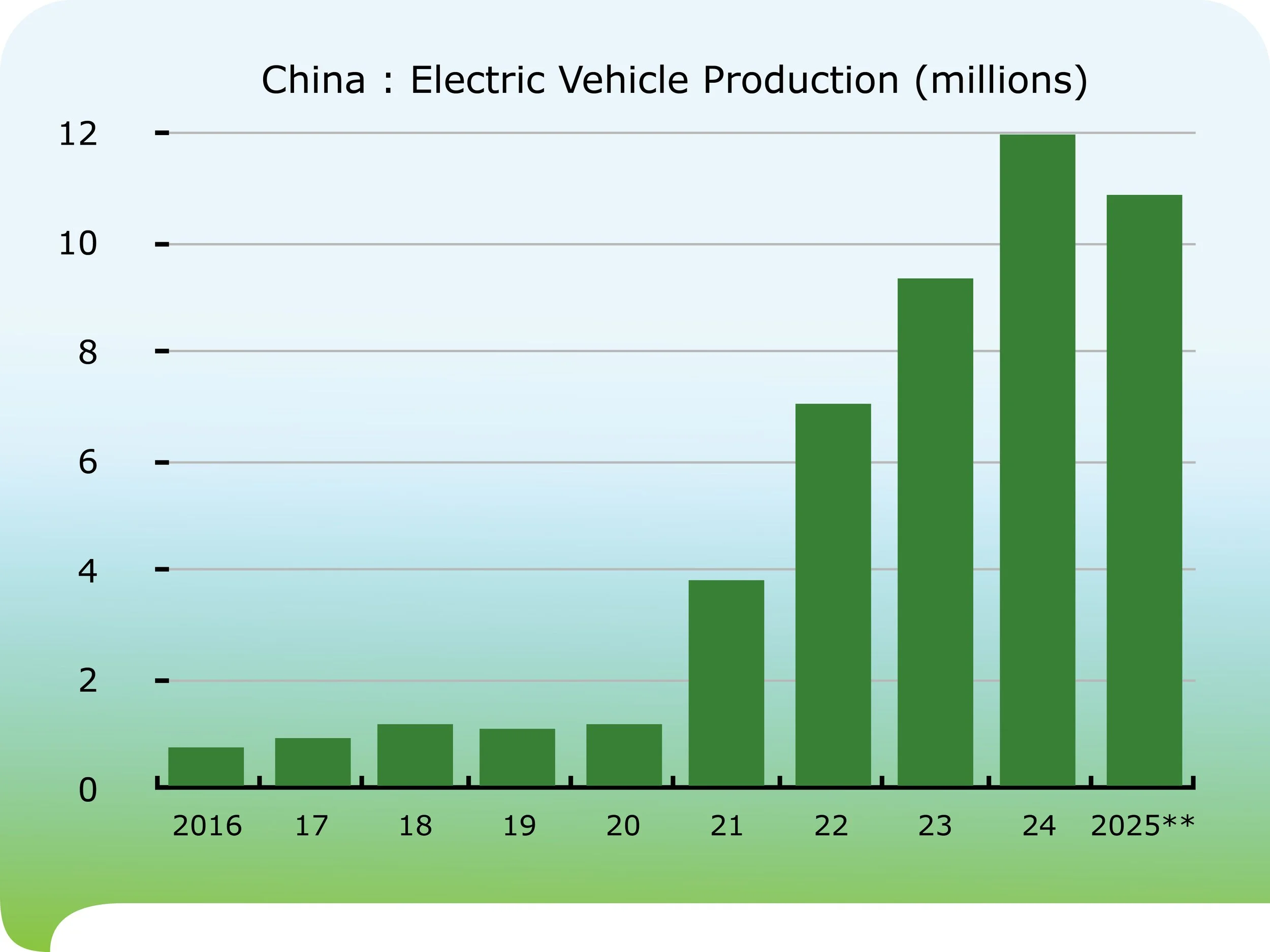
Chongquing municipality is considered China’s ”Mo-Town” or the “Detroit” of electric vehicles. The country has developed vast nationwide EV manufacturing capability with 12 provinces producing more than a million cars in 2024. Four provinces managed over 2 million EV’s.
Q: How can a marque that barely existed 18 months ago take over the likes of Ford or Kia, stealing brand equity built over decades in weeks?
A: Just look at Chery International, a Chinese carmaker. Chery’s newest model, the Jaecoo 7 has just become Britain’s best-selling car, with 10,064 registrations in March 2026. Bearing a striking resemblance to Range Rover, the Jaecoo model, packed with luxury technology, costs £29,000, about a third less than the cheapest Range Rover.
Sources: The Economist April 30th 2026 The rise of the Temu Range Rover, ITC Trade Map
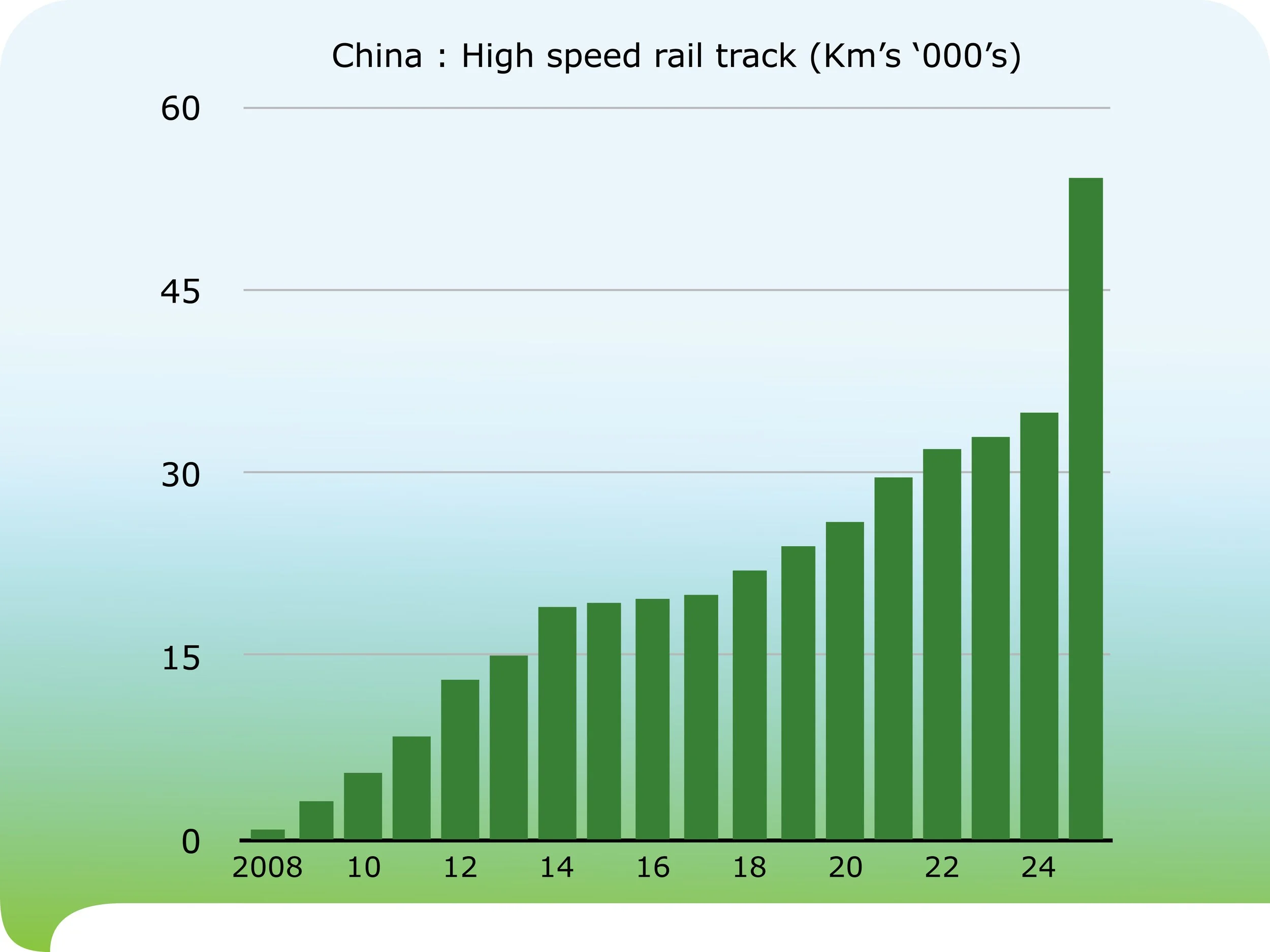
“China launched the “mid-to-long-term Railway Network Plan”, which has, in 20 years, astonishingly resulted in 54,000km of high-speed rail - more than twice the total of the rest of the world combined”.
At a rail conference in July 2025, Chinese authorities showcased a 600 km/h high-speed maglev train. Using electromagnetic suspension, the train operates without wheel–rail contact, allowing for quieter, smoother, and more efficient service. In time the train will be powered entirely using renewable energy.
Sources: ABC News Alan Kohler Monday 20th April 2026. Approximate trajectory of Chinese High Speed Rail (HSR) network expansion. Multiple sources.
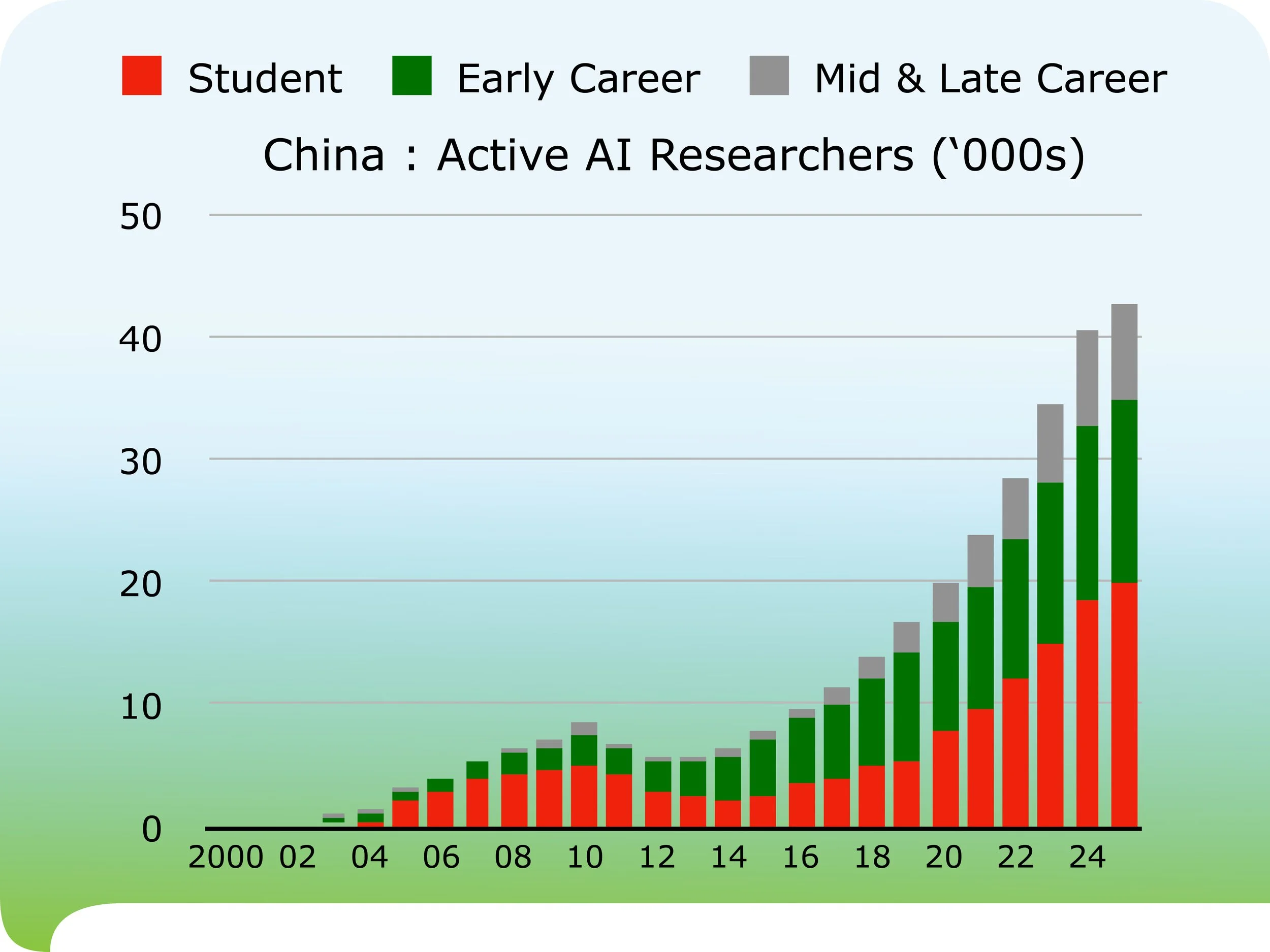
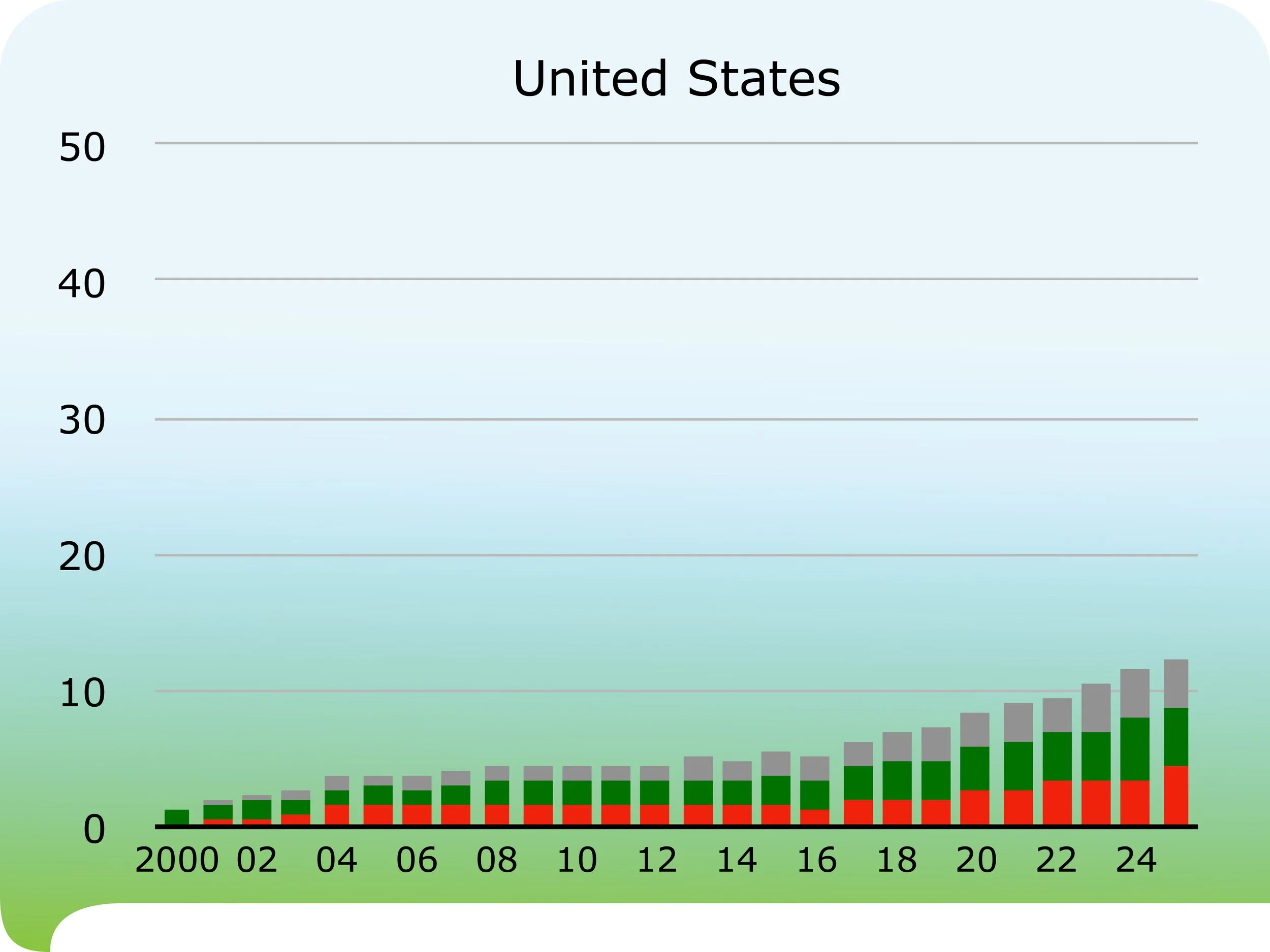
In December 2025 for the first time, more studies presented at the world’s top AI conference, NeurIPS (Neural Information Processing Systems) had lead authors based in China than either America or Europe.
Of the AI researchers who presented at NeurIPS, 51% began their careers in China. In 2019, just 29% did. Almost 40% of the world’s top AI researchers now work in Chinese organisations. Chinese model maker DeepSeek shocked the AI community about a year ago with an advanced capabilities model that cost an estimated $6M to train compared to rivals estimated $50-100M costs. DeepSeeks’ new AI model, V4 has an introductory price offer of about a thousandth the cost of the best American models.
Sources: The Economist March 28th 2026 AI in China Why China is winning the Ai Talent Race The Economist April 29th 2026 Why DeepSeek’s sequel failed to impress