
Learn more about Biological Control
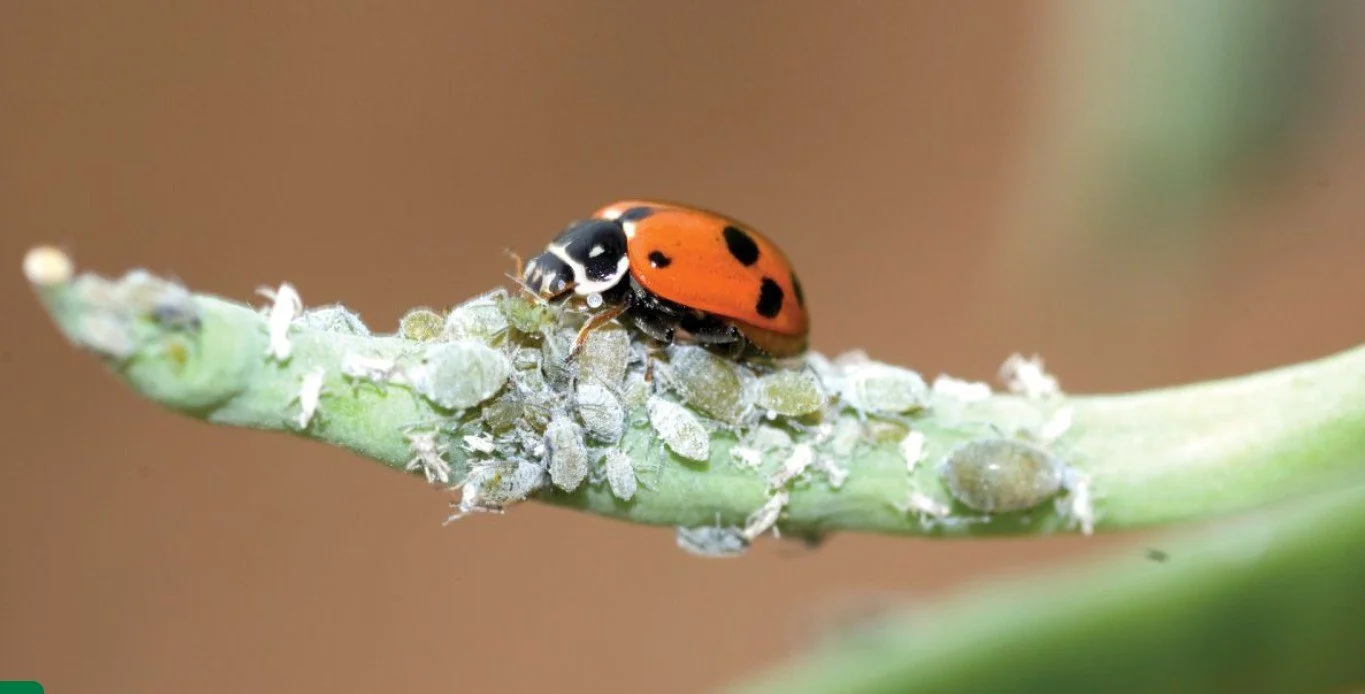
Photo : GRDC Groundcover Nov-Dec2025. 179
Biological Control practices used in crop protection follow the general principle of using a population of one organism to reduce the population of another. The field of Biological Control is divided into three areas
1 Classical Biological Control
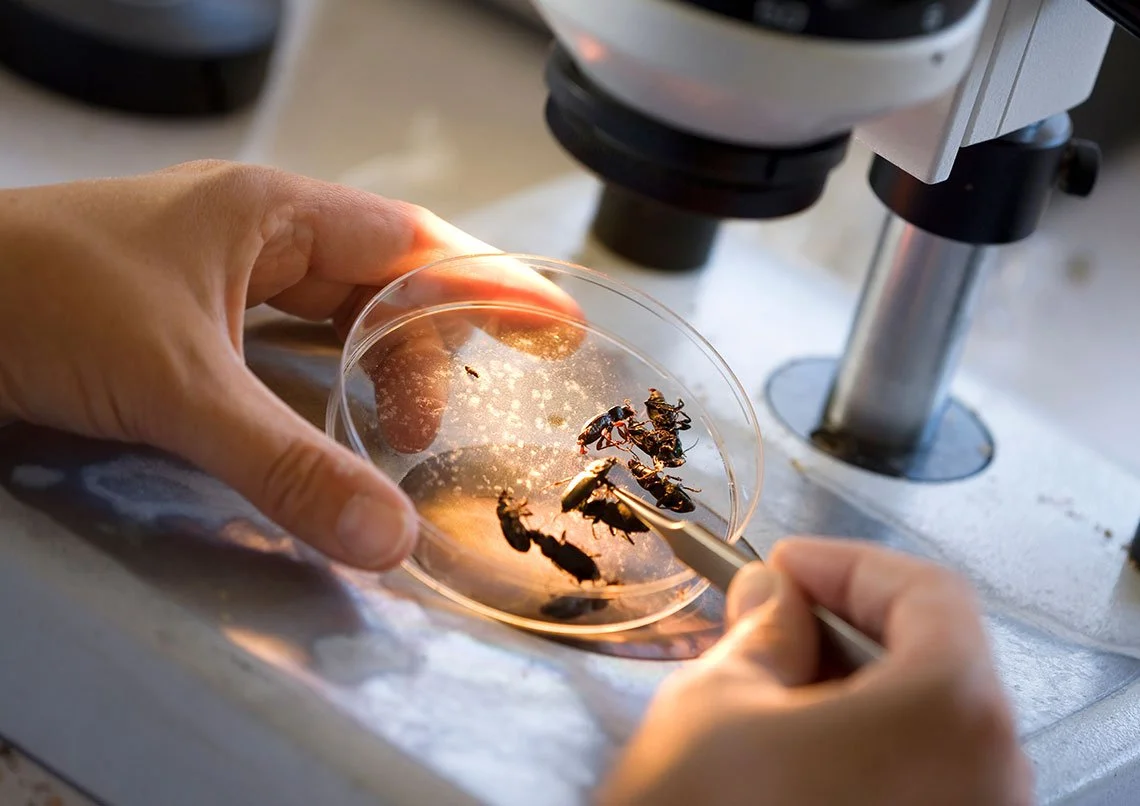
Mainly used against “exotic” pests that have become established in a new region or country, Classical Biological Control involves, scientists and ecologists identifying natural enemies of the pest from its "native” homeland habitat.
Authorities then carefully assess whether these natural enemies could be imported , inoculated and allowed to build up in the new environment being threatened by the pest. Because of its potential to cause unintended environmental impacts, international protocols exist to cover research activities in this area.
Classical Biological Control activities are almost exclusively confined to Governments and National Scientific Institutes.
2 Conservation Biological Control
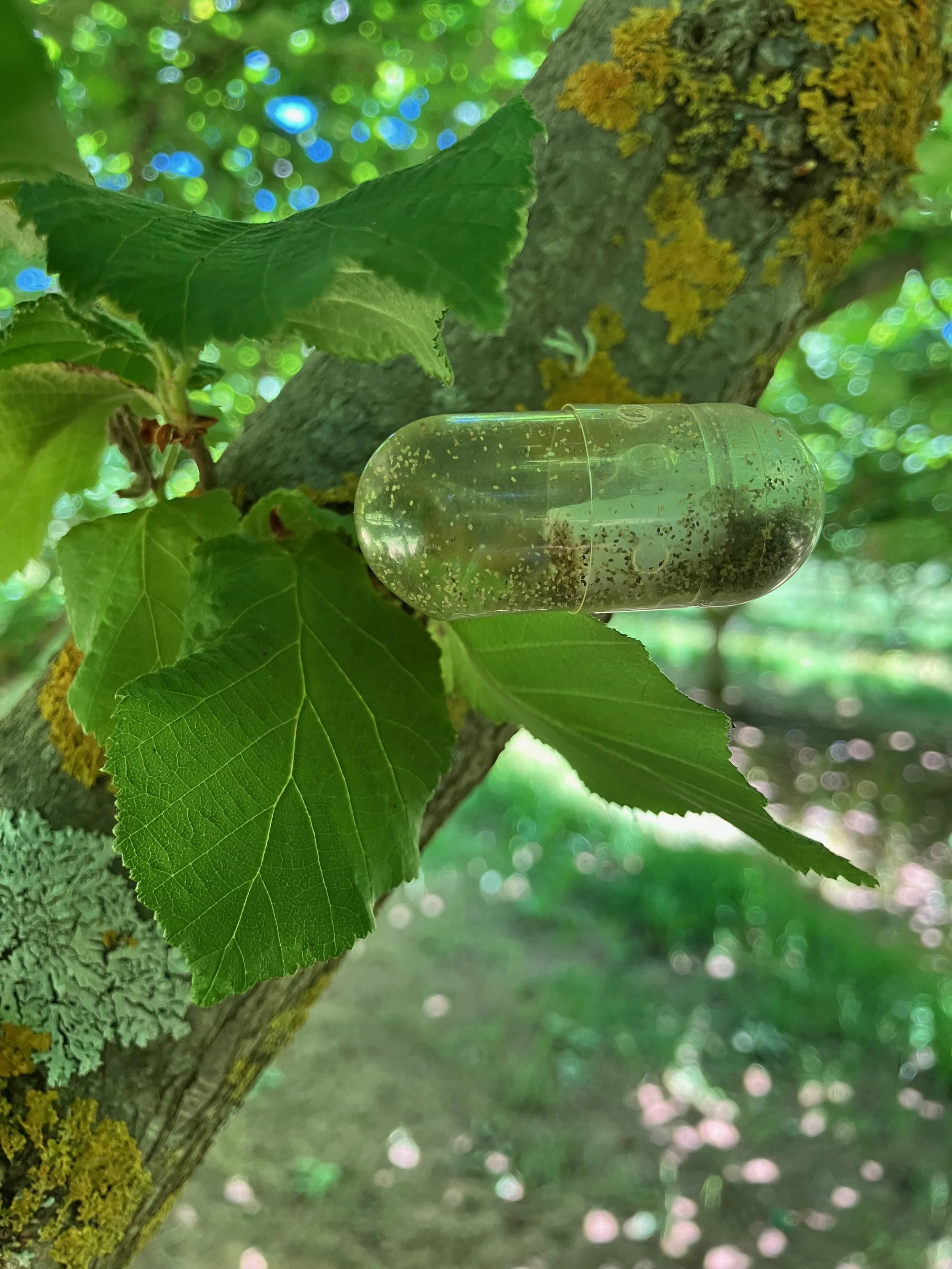
Uses “cultural” practices that promote or enhance the activity of existing populations of beneficial invertebrates. Agricultural systems - particularly those used for large scale, short-term annual crops often disrupt the balance between pests and their natural enemies. Conservation Biological Control attempts to redress this, using practices such as vegetation and habitat management that provide a pests natural enemies with food, shelter and overwintering sites.
Some farms manipulate their landscape with windbreaks, maintain strips of flowering, non-crop plants or practice “intercropping” and cover cropping. If required, farmers use selective insecticides within an IPM (Integrated Pest Management) program.


3 Augmented Biological Control (ABC)
Refers to Biological Control actives involving the commercial mass-rearing and subsequent release of beneficial insects into pest threatened crops. Beneficial releases are often considered either “Inundative” or “inoculative”.
Based on a massive beneficial to pest ratio, inundative releases produce a rapid reduction of the pest. Control is achieved by the released insects rather than their offspring from subsequent generations. Inoculative releases tend to involve smaller more frequent beneficial introductions over the pests life-cycle. In practice most ABC activities tend to blend both types of supplementary introduction.
ABC is one of the fastest growing sectors of the biological crop protection market. Sophisticated supply chains exist between modern, highly automated mass rearing facilities and farms. Grower-owned co-operatives exist for mass rearing of beneficial insects. Service providers to the sector include specialist insect spreaders that operate alongside agronomists who use AI and robotics to inspect networks of digital pest traps for incursions.
Source: International Biocontrol Manufactures Association ; IBMA 2023 member survey. IBMA-global.org
-The size of the European Biological Crop Protection Market has doubled since 2016, and grew by 20% between 2019 and 2022.
- The European Biological Crop Protection Market is growing at a CAGR of nearly 10% compared to 2 - 4% growth rate for conventional crop protection products
- Sales of Invertebrate Biocontrol Products (“Beneficial Insects”) has grown 65% since 2019.
References
Biological Control with Trichogramma : Advances, Success and Potential of Their Use. S.M Smith Annu Rev.Entomol. 1996 41:375-406
Biological Control and Sustainable Food Production. J.S.Bale, J.C.van Lantern and F.Bigler Phil. Trans. R. Soc. B (2008) 363, 761 - 776
Intercropping enhances beneficial arthropods and controls pests : A systemic review and meta-analysis. Agriculture, Ecosystems & Environment. Vol 356, 15th October 2023